
How the Conversation Is Shifting Beyond DEI
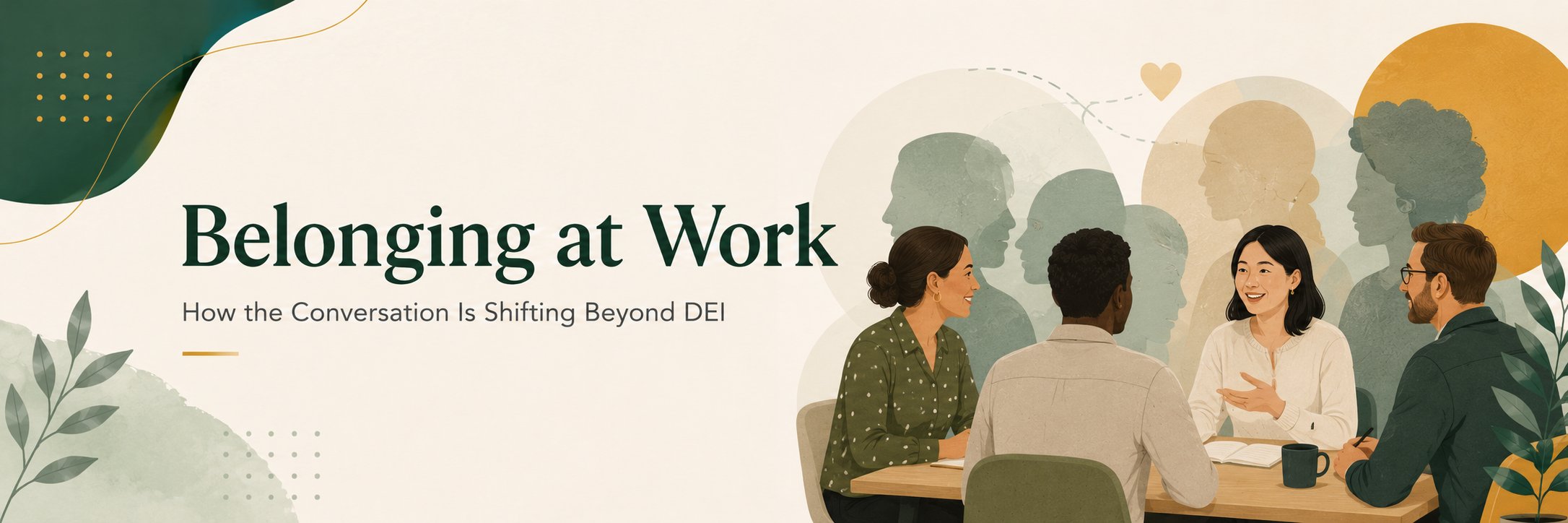
Have you ever joined a meeting where everyone seemed to know each other except you?
The conversation moves quickly. References are made that you do not understand. Decisions happen before you have a chance to contribute. No one is being intentionally unkind, but by the end of the meeting, you feel like an outsider looking in.
Moments like these are why more workplaces are talking about belonging.
For years, discussions around diversity, equity, and inclusion (DEI) focused on representation, policies, and creating fair opportunities. These remain important foundations. Yet many organisations are recognising that inclusion is only part of the picture.
Belonging asks a different question: once people are invited into the room, do they genuinely feel welcomed, valued, and able to be themselves?
Modern DEI conversations are increasingly moving in this direction. Rather than measuring only who is present, organisations are exploring how people experience the workplace every day. Belonging is about feeling seen, heard, and connected to the people around you.
When employees experience belonging at work, they are more likely to contribute ideas, collaborate openly, and feel invested in shared goals. It transforms workplace culture from something people simply participate in to something they genuinely want to be part of.
Why Belonging Keeps People Engaged
Many people assume engagement comes from promotions, salaries, or workplace perks.
While those things matter, research consistently shows that human connection plays a major role in how people experience work.
- Share ideas confidently
- Ask for support when needed
- Build meaningful relationships with colleagues
- Feel motivated by the work they do
- Remain committed during periods of change
The opposite is also true. When people feel excluded, overlooked, or disconnected, their energy often shifts toward self-protection rather than contribution.
Belonging does not mean everyone agrees all the time. Healthy workplaces welcome different perspectives. What matters is creating an environment where people feel respected enough to participate fully.
At its heart, belonging creates psychological safety. It allows people to bring their skills, experiences, and ideas without constantly wondering whether they fit in.
Ways to Build Belonging for Yourself and Others
Belonging is shaped by culture, but it is also strengthened through everyday actions.
Here are a few simple ways to cultivate belonging at work:
Be Curious About Others
Small conversations can create meaningful connections. Taking time to learn about a colleague’s experiences, interests, or perspectives helps build trust and understanding.
Make Space for Different Voices
Whether you are leading a meeting or participating in one, notice who has not spoken yet. Creating opportunities for quieter voices to contribute helps everyone feel included.
Acknowledge Contributions
Recognition does not always need to be formal. A sincere thank-you or acknowledgment of someone’s effort can reinforce that their work matters.
Check In With Yourself
Belonging also begins internally. Consider whether there are ways you might be holding back parts of yourself at work. Reflecting on your values and strengths can help you show up more authentically.
Create Small Moments of Connection
A welcoming message to a new team member, an invitation to join a conversation, or simply asking how someone is doing can have a lasting impact.
These actions may seem small, but belonging is often built through consistent everyday moments rather than grand initiatives.
Final Thoughts
As conversations around inclusion continue to evolve, belonging is becoming an essential part of workplace wellbeing.
People want more than a seat at the table. They want to feel that their presence matters.
Whether you are a leader, a team member, or someone navigating a career transition, creating belonging starts with the simple choice to make people feel seen, valued, and connected.
If you would like to explore your own experiences of belonging and connection, The Breakthrough Journal offers thoughtful prompts designed to support reflection and personal growth. For ongoing conversations, encouragement, and community, join our Breakthrough Sessions and connect with others navigating their next chapter.